
Back-to-school season means busy days, returning to classes, and often a healthy dose of mental fatigue. Before reaching for the first coffee you can find, here are the drinks that really help maintain steady concentration, without the crashes that follow too much sugar or caffeine. We offer a practical ranking based on what actually works day to day.
Why your drink really makes a difference
Concentration relies on three fairly simple pillars: glucose, which fuels the brain; caffeine, which boosts alertness; and hydration, whose role is often underestimated. Even mild dehydration is enough to reduce concentration and increase feelings of fatigue. Choosing a drink is therefore not a minor detail but a genuine tool for getting through a full day of classes, remote work, or studying without losing focus.
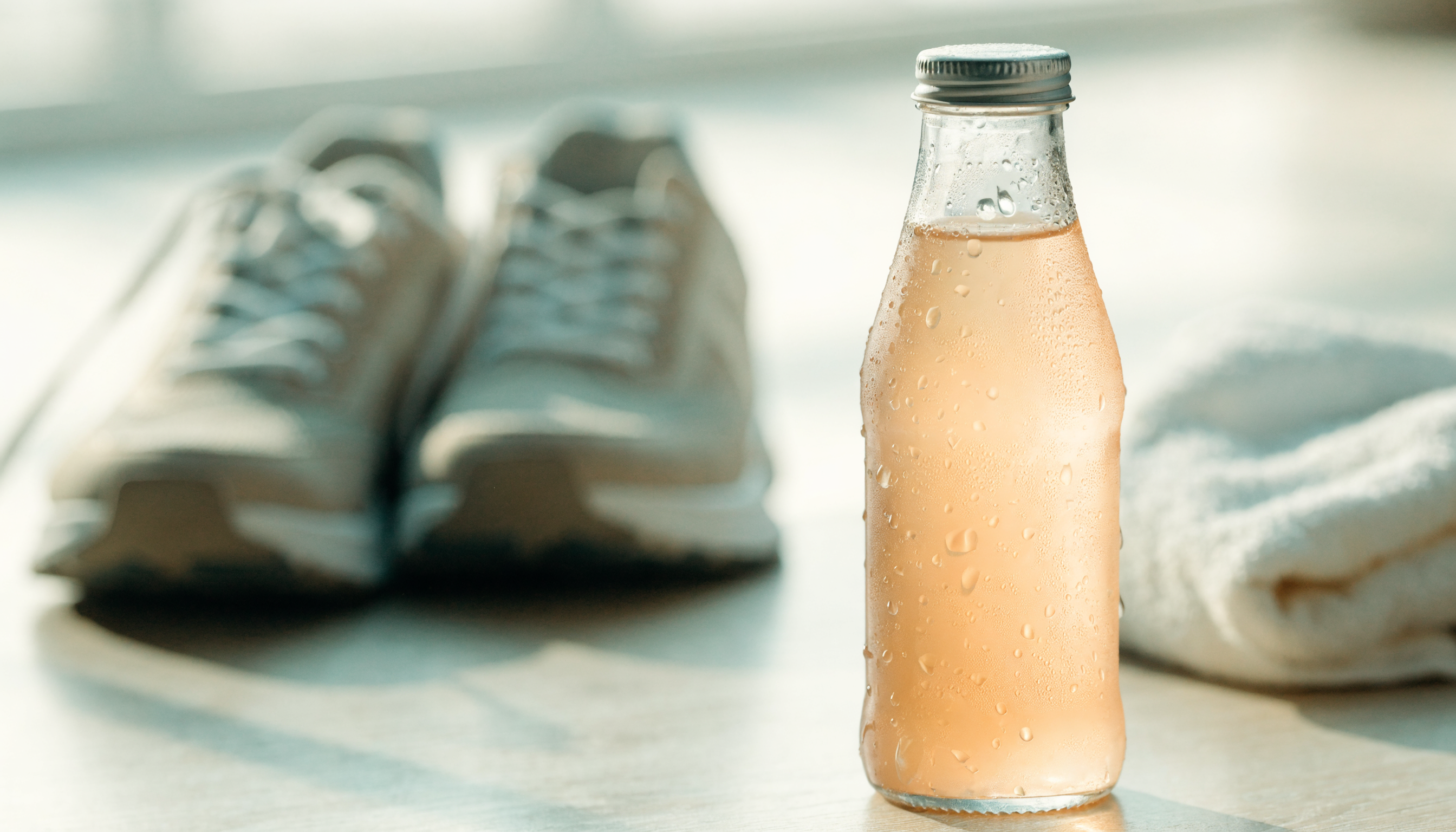
Hydration plays a greater role in attention than you might think. Our electrolyte drinks guide explains when minerals really become useful.
The top 7 drinks for staying focused
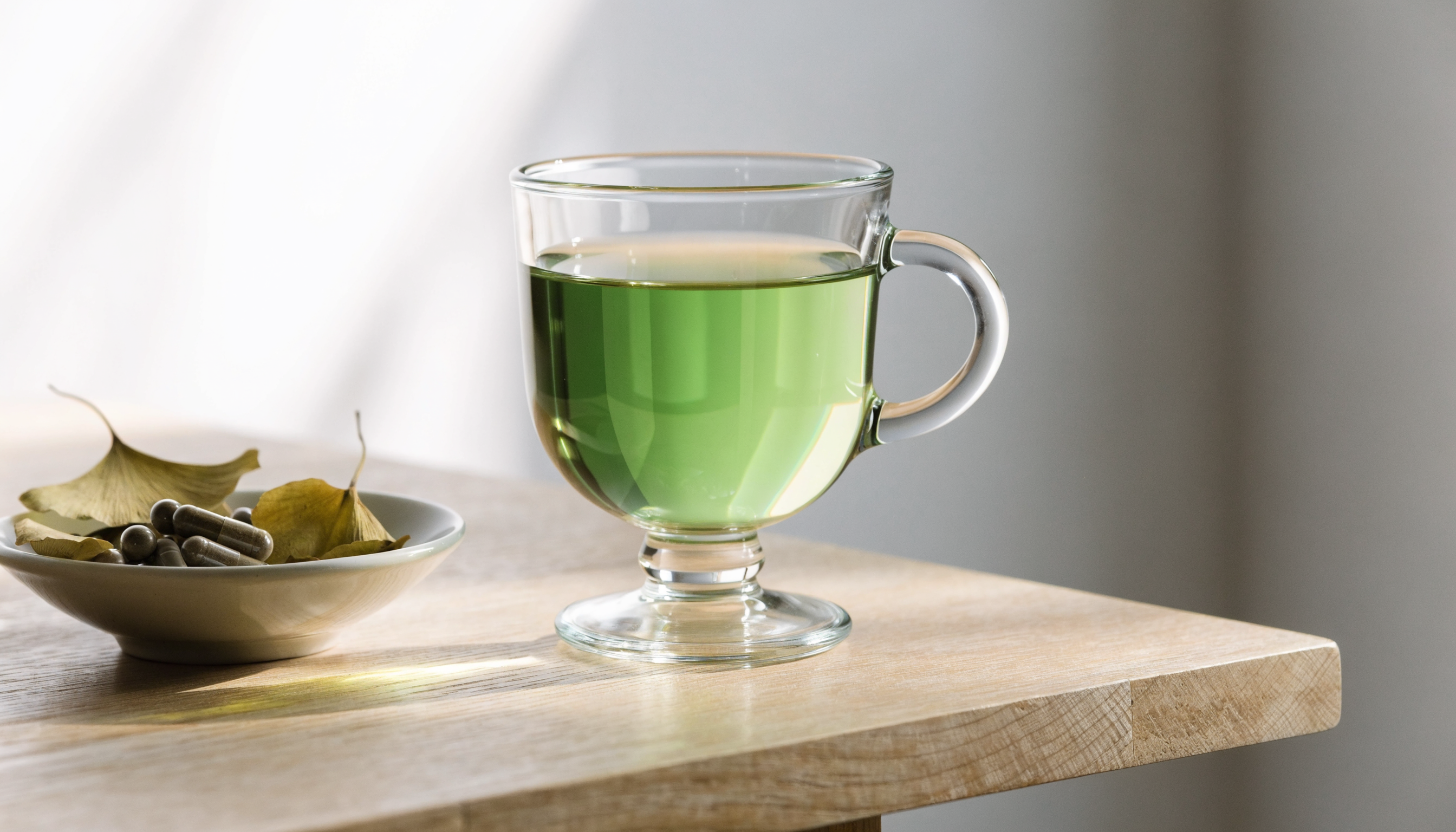
1. Green tea, for the caffeine and L theanine duo
Green tea contains a moderate amount of caffeine, naturally combined with L theanine, an amino acid that smooths out nervousness while keeping the mind alert. It is often the preferred drink for people who need to get through long work sessions without increasing nervous tension.
2. Coffee, effective but best consumed in moderation
Coffee remains a reliable choice for immediate alertness and short-term memory. The key considerations are the amount and the time of consumption: too much late in the day can disrupt sleep and therefore affect concentration the next day.
3. Water, the pillar we overlook too often
Before even thinking about caffeine or superfoods, water remains the foundation. Keeping a bottle within reach during classes or workdays often makes more difference than yet another coffee.
4. Natural energy drinks with ginkgo and guarana
Organic energy drinks that rely on superfoods such as ginkgo biloba and guarana let you benefit from naturally sourced caffeine with a more gradual release, without the spike followed by a crash. This is exactly the approach behind Buddy cans, designed to provide lasting energy without excessive stimulation.
5. Herbal infusions with adaptogenic plants
Rhodiola, ashwagandha, and reishi are adaptogenic plants that help the body better manage the stress associated with intense periods. They do not provide immediate energy, but they support mental resilience over time, which is a real advantage during a busy term.
6. Electrolyte drinks to avoid an energy slump
Incomplete hydration without the right minerals often results in headaches and a significant drop in concentration at the end of the day. Drinks rich in potassium, magnesium, and sea salt, such as the Buddy electrolyte range, help correct this quickly without adding unnecessary sugar.
7. Homemade fruit and superfood smoothies
A smoothie made with fresh fruit, a source of simple carbohydrates, and optionally a touch of superfoods provides easily absorbed glucose, exactly what the brain needs to operate at full capacity. It is a good option in the morning or just before an intense work session.
We compared yerba maté and coffee side by side in our article yerba maté or coffee. And for a deeper look at the subject, our natural nootropics guide explains what really affects concentration.
What is best avoided
Very sugary drinks provide an energy spike followed by a sharp crash, often worse than the initial fatigue. Energy drinks with excessive amounts of caffeine and sugar can also cause stimulation that interferes with memory, even though concentration requires a calm, composed mind. It is better to focus on consistency than on occasional excess.
As for natural energy drinks, our energy drink combines 80 mg of caffeine from guarana and ginkgo biloba with 13 kcal per 100 ml. Its composition is compared with that of other brands on drinkscore.info.
FAQ: your questions about drinks and concentration
What is the best drink for studying effectively?
There is no single right answer, but one combination works for most people: consistent hydration, a little natural caffeine spread appropriately throughout the day, and a source of simple glucose if the session is long.
Does coffee really prevent you from concentrating afterward?
No, but if consumed too late in the day, it can disrupt sleep, which indirectly affects concentration the next day. Caffeine's half-life varies from three to seven hours depending on the individual.
Are energy drinks suitable for studying?
It mainly depends on the dosage and composition. A natural energy drink with gradually released caffeine is better suited than a highly sugary, heavily caffeinated version, which is more likely to promote stimulation than mental clarity.
How much water should you drink to concentrate well?
There is no universal figure, but even a small drop in hydration is enough to reduce cognitive performance. The idea is to drink regularly throughout the day rather than consuming large amounts all at once.
Do electrolytes really help you concentrate better?
Yes, indirectly. A deficiency in electrolytes such as sodium, potassium, or magnesium can cause fatigue and headaches, two factors that directly interfere with concentration. Replenishing them often improves mental clarity within a few hours.
In summary
There is no need to search for a magic formula to stay focused during back-to-school season. Good hydration, properly dosed natural caffeine spread throughout the day, and a consistent energy intake are enough in the vast majority of cases. All that remains is to find the combination that suits you among these seven options and stay consistent rather than overdoing it.
If your energy slump consistently arrives after lunch, we have detailed the causes and solutions in our article about the post-lunch slump.