The beverage aisle has changed dramatically in a very short time. Today, nearly two out of every three new products launched in Europe make a functional claim: energy, digestion, focus, or recovery. Behind this catch-all term lie very different categories, with highly uneven levels of evidence. Here are the eight that really matter in 2026, what they offer, and how to sort through them.
What exactly is a functional drink?
A functional drink provides more than water and flavor. It contains one or more active ingredients, minerals, fibers, plants, or vitamins, intended to produce an identifiable effect on the body. The global market is expected to reach $160 to $180 billion in 2026, with annual growth close to 7%.
The underlying driver is the same everywhere: people want to reduce sugar without giving up enjoyment, and they expect a drink to serve a purpose. The rest of this article reviews the eight main categories, ranked from the strongest to the most uncertain in terms of the available evidence.
1. Electrolyte drinks
This is the best-documented category of the lot. Sodium, potassium, and magnesium replace what is lost through sweat and allow the water you drink to actually be retained rather than eliminated. Sodium remains the key mineral, the one that determines a formula's effectiveness.
What to check on the label: the sodium content per serving. Below 200 mg, it's more like flavored water than a true rehydration drink. Stick formats have become popular because they make it possible to adjust the dose and carry it easily.
Who it's for: athletes, hot weather, recovery, and days when you sweat a lot.
To find out in which situations they are genuinely justified and when a glass of water is enough, our electrolyte drinks guide goes into detail.
2. Prebiotic sodas
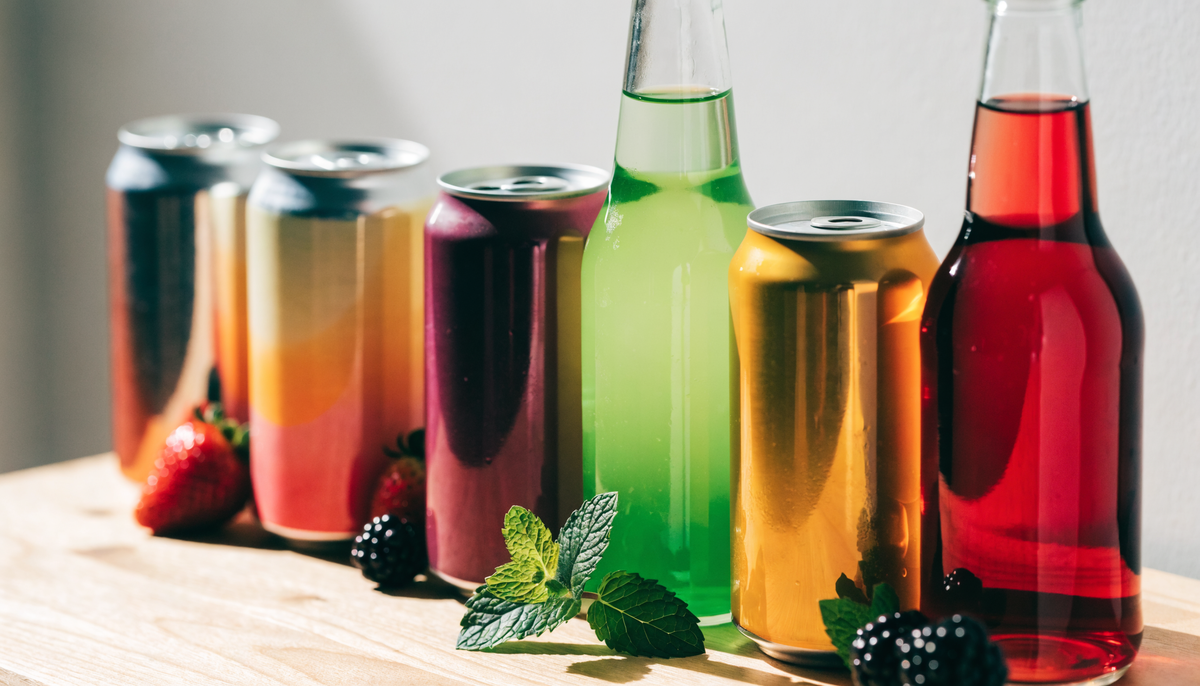
The category that has grown the most explosively. It started in the United States with Olipop and Poppi and is now establishing itself in France and Belgium. The principle: a low-sugar soda enriched with soluble fiber, often inulin or agave fiber, which feeds beneficial gut bacteria.
The segment is expected to be worth $2 billion by 2029. One point to bear in mind, however: a can generally provides 2 to 9 g of fiber, which remains modest compared with the 25 to 30 g recommended per day. It's a pleasant supplement, not a substitute for vegetables and legumes. If you're not used to fiber, start slowly to avoid bloating.
Who they’re for: people who want to move away from classic sodas without switching to plain sparkling water.
On the subject of soluble fiber in particular, we detailed their actual effects and the amounts to aim for in our article on soluble fiber.
3. Natural energy drinks
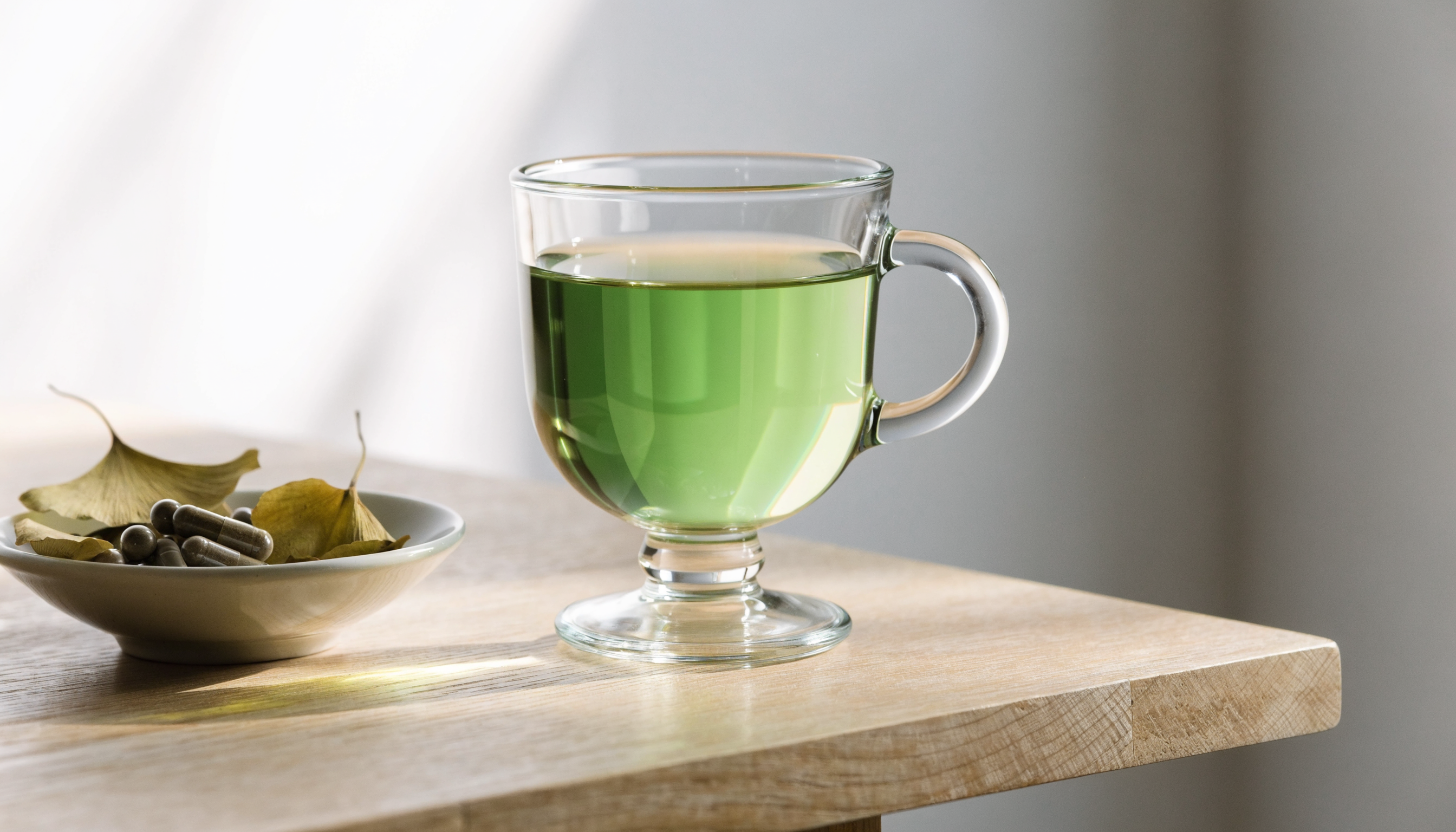
The difference from traditional energy drinks comes down to two points: the source of the caffeine and the amount of sugar. Caffeine from guarana, yerba mate, or green tea is now available, combined with plants such as ginkgo biloba, in recipes that often contain under 20 kcal per 100 ml.
The appeal isn’t just marketing. Guarana’s caffeine is released more gradually because it is bound to the plant’s tannins, which softens the rise and, above all, the comedown. The superfood-based cans that take this approach generally contain 80 mg of caffeine, equivalent to one espresso.
Who they’re for: the mid-afternoon slump, a work session, a late-day workout.
In this category, a dietitian compared energy drinks on the Belgian market for the daily newspaper HLN. We included her conclusions in our article on the healthiest energy drink on the market.
4. Nootropic drinks
They target concentration rather than physical energy. You’ll find L theanine, ginkgo biloba, bacopa, rhodiola, or lion's mane mushroom. L theanine combined with caffeine is the best-supported combination in the group: it smooths out nervousness while maintaining alertness.
The rest calls for caution. Many formulas feature a promising ingredient at a dose far below the amount used in studies. A useful reflex: look for the dosage in milligrams on the label rather than simply checking whether the ingredient is mentioned.
Who they’re for: students, intellectual work, periods of high mental strain.
The subject of natural nootropics deserves a detour of its own. We explored it in our natural nootropics guide.
5. Adaptogenic drinks
Ashwagandha, rhodiola, maca, reishi: these plants are supposed to help the body cope better with stress. Ashwagandha has the strongest evidence for reducing cortisol, but at the doses used in clinical trials, often 300 to 600 mg of standardized extract, which a ready-to-drink beverage rarely reaches.
This is the category where the gap between the promise and the actual dosage is widest. Pleasant as a ritual, but you should not expect a spectacular effect.
For whom: people looking for a soothing ritual at the end of the day.
6. Enhanced hydration
Waters and coconut waters enriched with vitamins, minerals, or collagen, with a very light taste. The logic is simple: make water more appealing so people drink more of it. On that point, it works.
Watch out, though, for purely decorative additions. A symbolic dose of vitamin C in a bottle does not change your nutritional status. Look at the percentage of reference intakes shown on the label.
For whom: people who do not like plain water and struggle to drink enough.
7. Kombucha and fermented drinks
Kombucha is no longer new, but it remains firmly established and is diversifying with fruit kefir and water kefir. Unlike prebiotic sodas, which provide food for bacteria, these drinks provide live bacteria.
One detail changes everything: pasteurized versions in the chilled or ambient aisles no longer contain active cultures. If the probiotic benefit matters to you, look for the words non-pasteurized and check the refrigerated section. Also check the residual sugar, which varies widely from one brand to another.
For whom: digestive comfort, a sparkling alternative to an aperitif.
8. Next-generation protein drinks
Gone are the days of the thick shake reserved for the gym. The 2026 trend is moving toward clear, sparkling formats, similar to soda, with 10 to 20 g of protein and very little sugar. The target audience is expanding well beyond strength-training enthusiasts, particularly to people looking to stay satiated between meals.
The criterion to look at: the source of protein and, above all, the taste, since clear formats remain technically difficult to get right.
For whom: a filling snack, post-workout recovery, busy days.
How to choose without getting it wrong
Start with the need, not the trend
A functional drink only makes sense if it meets a real need. Heavy sweating: electrolytes. Recurring slump: natural energy drink. Finicky digestion: fiber or cultures. Stacking three categories in the same day adds nothing.
Read the ingredient list before the packaging
Ingredients appear in descending order by quantity. If the star active ingredient appears second to last, just before the flavoring, its presence is mostly decorative. Serious brands display precise dosages.
Watch the sugar even when it's labeled healthy
Some functional drinks contain 8 to 10 g of sugar per 100 ml, as much as a classic soda. The natural or organic label guarantees nothing in this regard. The nutrition facts panel does.
That's exactly the exercise we carried out publicly on drinkscore.infowhere the actual formulations of the energy drinks and electrolytes on the market are compared side by side, including ours.
FAQ: your questions about functional drinks
Are functional drinks really effective?
It depends entirely on the category and dosage. Electrolytes and caffeine rely on well-established mechanisms. Adaptogens and some nootropics are often underdosed compared with the amounts used in studies. Reading the label remains the best filter.
What's the difference between prebiotic and probiotic soda?
Prebiotics provide fiber that feeds the bacteria already present in your gut. Probiotics directly provide live bacteria. Some brands combine both approaches in the same recipe.
Can you drink them every day?
For most sugar-free categories, yes. Two limits to keep in mind: caffeine, with a commonly cited limit of 400 mg per day for healthy adults, and fiber, which is best increased gradually. And water remains the foundation of all hydration.
Do these drinks replace a balanced diet?
No, and no serious brand claims otherwise. A can of prebiotic soda provides only a fraction of the daily fiber needed. These products complement a diet; they never replace it.
What should you look for first on a label?
Three things, in order: sugar per 100 ml, the precise amount of the highlighted active ingredient, and the length of the ingredient list. A short, readable list is almost always a good sign.
Key takeaway
The word functional guarantees nothing on its own. The most reliable categories remain those with simple, verifiable mechanisms: electrolytes for hydration, natural caffeine for energy, and fiber for digestion. Start with your actual need, turn the can around, and read the numbers. It's the only habit that protects you from empty promises.