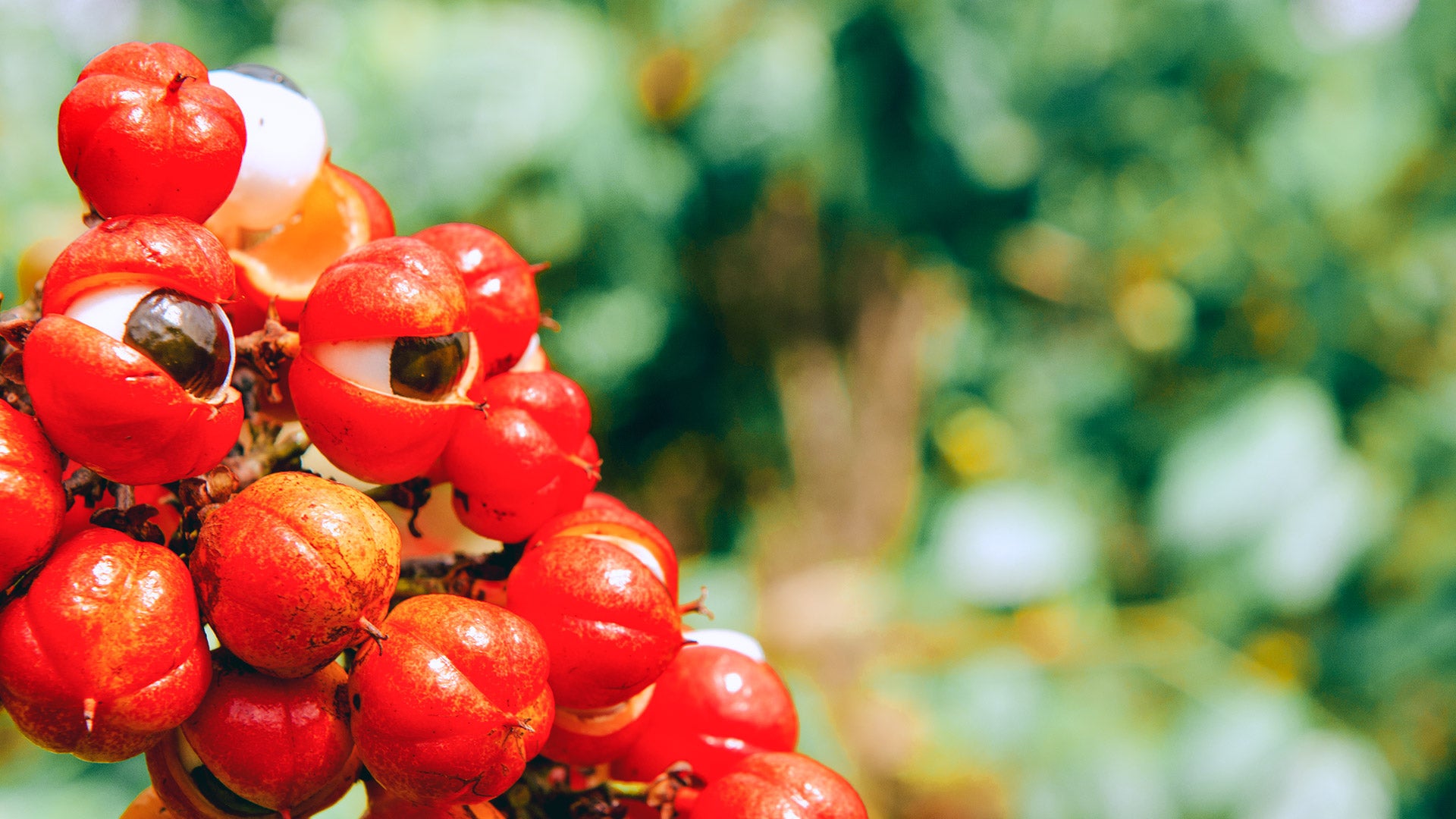

Maca regularly comes up in wellness conversations, often with rather broad promises. We suggest taking a look at what we really know about this Andean root, what falls under traditional use, and how to incorporate it simply if the subject interests you.
What we know about maca
Energy and vitality
Maca is a root cultivated in the Peruvian highlands and has been consumed as a food for centuries. It is classified among so-called adaptogenic plants, a category originating in traditional herbal medicine rather than regulated nutrition. Many consumers choose it for this reason, while keeping in mind that no health claim is authorized in Europe for this plant.
Traditional use related to hormonal balance
In traditional Andean use, maca is associated with hormonal balance. We need to be honest about the state of knowledge: the available research is limited, involves small sample sizes, and no health claim is currently authorized in Europe for this plant. Maca remains an interesting food, not a treatment, and it in no way replaces medical advice.
Nutritional profile
In terms of composition, dried maca root provides carbohydrates, fiber, plant-based protein, as well as iron, copper, and vitamin C. These are real nutrients, even though the amounts consumed daily, often one or two teaspoons, remain modest on the scale of a full day's diet.
Maca and libido
This is the reputation most closely associated with maca, and it is also the one that calls for the most caution. This plant has been part of Andean heritage for centuries and is consumed there in that spirit. Clinical studies remain rare and small in scale, so we are not going to promise an effect that the data do not support. We prefer to say so clearly rather than repeat the shortcuts found everywhere.
This is the same logic that led us to publish the actual compositions of drinks on the market, including ours, on drinkscore.info: verifiable figures rather than promises.
How to incorporate maca into your routine
In a smoothie, for an energetic start to the day
Add a teaspoon of maca powder to your morning smoothie. Combine it with fruit, green vegetables, and a source of protein for a breakfast that will keep you going until lunch.
In a hot drink
Stir maca powder into your favorite hot drinks, such as tea or coffee. Its slightly malty flavor blends well with them.
In cooking
Maca is easy to add to homemade energy bars, salad dressings, or desserts. This is the method closest to its original use as a food.
As a shot, for simplicity
The concentrated version eliminates the need for preparation. Our Horny shot is a 60 ml concentrate of organic maca, convenient to take with you and ready to drink.
In capsules
Taking a capsule with a glass of water remains the simplest formula to stick with over time, with no preparation or measuring. Capsule supplements are readily available in pharmacies and organic stores: check the maca content per capsule and favor certified organic products.
Precautions
Maca is not recommended for pregnant or breastfeeding women. If you are undergoing treatment, particularly thyroid or hormonal treatment, ask a healthcare professional for advice before consuming it regularly. As with any concentrated food, start with small amounts and see how you tolerate it.
Key takeaways
Maca is an interesting root, with a long history of traditional use and a sound nutritional profile. It is not a miracle product, and no one should sell it to you as one. If the subject interests you, try it and see how it works for you, while keeping your expectations realistic.
For other plants associated with energy and concentration, our articles on guarana and yerba mate go into detail, while our natural nootropics guide separates what is documented from what is merely a promise.