A coffee that wakes you up in ten minutes and then leaves you drained two hours later - everyone knows it. An energy drink that does the same, too. You are often told that the problem comes from synthetic caffeine, made in a laboratory, as opposed to gentler natural caffeine. Is it really that simple? We looked at what the science actually says, what truly differentiates the two sources of caffeine, and above all what explains that infamous energy crash.
Where the caffeine you drink really comes from
Natural caffeine, extracted from plants
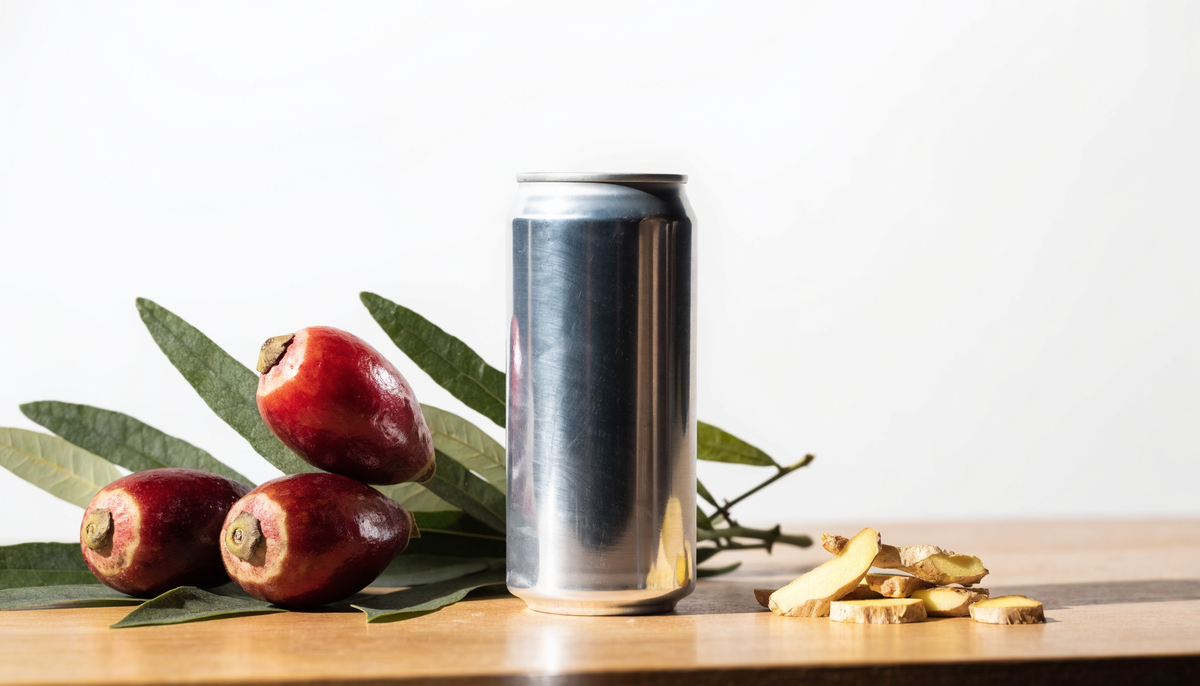
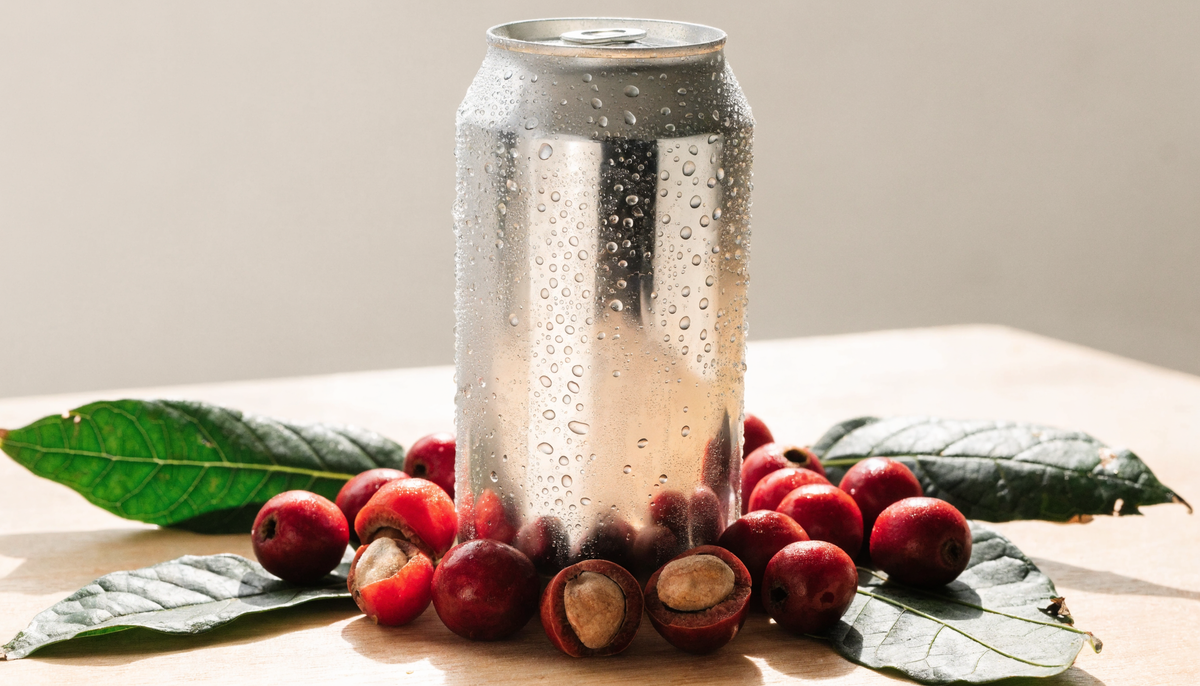
Natural caffeine is extracted directly from plants such as coffee beans, tea leaves, guarana, or yerba mate. Guarana in particular contains two to four times more caffeine than a typical coffee bean, making it one of the richest natural sources used in functional beverages. This caffeine rarely comes alone; it is accompanied by other compounds found in the plant, such as polyphenols and tannins.
Synthetic caffeine, made in a laboratory
Synthetic caffeine is produced through chemical synthesis, often from urea derivatives. Once purified, its molecular structure is identical to that of natural caffeine. In fact, your body cannot really tell the difference between the two once they are in the bloodstream. This is what surprises people most when they learn it for the first time.
If you want a plant-by-plant perspective rather than a molecule-focused one, our articles on guarana and ginkgo biloba cover each active compound in detail.
What really changes for your body
The release rate is not that different
Contrary to a widespread misconception, studies comparing the two forms find caffeine blood levels peaking after very similar delays, around thirty-five to forty-five minutes depending on the circumstances. There is no strong evidence that synthetic caffeine leaves the bloodstream faster than natural caffeine. The real difference therefore does not lie at that level.
What comes with natural caffeine makes a difference
The real advantage of sources such as guarana or yerba mate is what comes with the caffeine. The plant tannins in guarana slightly slow its absorption in the intestine, creating a sensation of energy that is spread out over time rather than a peak followed by a sharp drop. By contrast, isolated synthetic caffeine, often combined with large amounts of sugar in conventional energy drinks, arrives without this natural buffer.
Why the energy crash happens, and how to avoid it
In most cases, the real culprit behind the crash is not the caffeine itself but the sugar that comes with it. A very sugary can makes blood sugar rise quickly, then the equally rapid drop creates that feeling of sudden fatigue, much more pronounced than what caffeine alone causes. That is why a sugar-free energy drink whose caffeine comes from a plant such as guarana provides energy that rises more gradually and lasts without a sharp drop. This is the approach taken by Buddy cans, where guarana provides the caffeine and ginkgo biloba is added as a complement, without containing caffeine itself. Ginkgo supports concentration through its effect on cerebral circulation, complementing the energy provided by guarana.
Another point to keep in mind is that sensitivity to caffeine varies enormously from one person to another depending on genetics, consumption habits, and even the time of day. Two people who drink exactly the same dose may experience very different effects, which explains why some people swear by coffee while others prefer a gentler plant-based source. The timing also matters a great deal: caffeine consumed late in the afternoon takes several hours to be eliminated by the body and can disrupt the quality of the sleep that follows, whatever its origin.
The slump that follows coffee or an energy drink has several causes, not just caffeine. We reviewed them in our article on the post-lunch energy slump.
How to identify real natural caffeine on a label
Look at the ingredient list, not just the word caffeine
On many labels, the mention of caffeine alone says nothing about its origin. Instead, look for ingredients named directly, such as guarana extract, yerba mate extract, or green tea extract. If the label simply says caffeine without specifying a plant source, there is a good chance it is synthetic.
Also check the amount of sugar alongside it
Since sugar is often the real cause of the energy crash, it is worth looking at the carbohydrates on the label as much as the caffeine source. A drink with zero or very little sugar naturally limits the risk of this sharp drop in energy, whatever the origin of the caffeine used.
Reading a label is exactly the exercise we carried out publicly on drinkscore.info, where the actual formulations of energy drinks on the market are compared side by side. Our energy drink is listed there with its 80 mg of caffeine from guarana and its 13 kcal per 100 ml.
FAQ: your questions about natural and synthetic caffeine
Is synthetic caffeine more dangerous than natural caffeine?
No. Once purified, its chemical structure is identical to that of natural caffeine, and the body processes it in the same way. The real issue is the total amount consumed during the day, not the origin of the molecule.
Why do we experience an energy crash after coffee or an energy drink?
Most often, the associated sugar is responsible, much more than the caffeine itself. A rapid rise followed by a rapid drop in blood sugar causes this feeling of sudden fatigue.
Does guarana really contain more caffeine than coffee?
Yes, guarana seeds naturally contain two to four times more caffeine than a raw coffee bean, making them one of the richest plant sources used in functional beverages.
Can you be sensitive to synthetic caffeine but not natural caffeine?
Since the molecule is identical, sensitivity mainly depends on individual factors such as genetics or consumption habits, not on whether the caffeine is natural or synthetic.
What is the best natural source of caffeine for energy?
Guarana and yerba mate are among the most interesting sources because their caffeine is accompanied by plant compounds that slightly slow its absorption, providing energy that is spread out over time.
In summary
The difference between natural and synthetic caffeine lies less in the molecule itself than in what accompanies it. A plant-based source such as guarana, with no added sugar, provides more stable energy and a boost without a sharp drop. The next time you experience an energy crash, look first to the sugar before blaming the caffeine.
To learn more about the active compounds that accompany caffeine, our guide to natural nootropics separates what is documented from what is merely a promise.